


Cardiac Rehabilitation
The Department of Cardiology is known for their unparalleled track record of having the most number of successful cardiac surgeries.
Advance treatment
We make sure to evolve ourselves and improve our knowledge in the latest advancements in the medical field.
ICU/Critical Care Unit
We have the state of the art machinery and tech in our Intensive Care Unit/Critical Care Unit to provide the best treatments.




What to Know About Diabetes
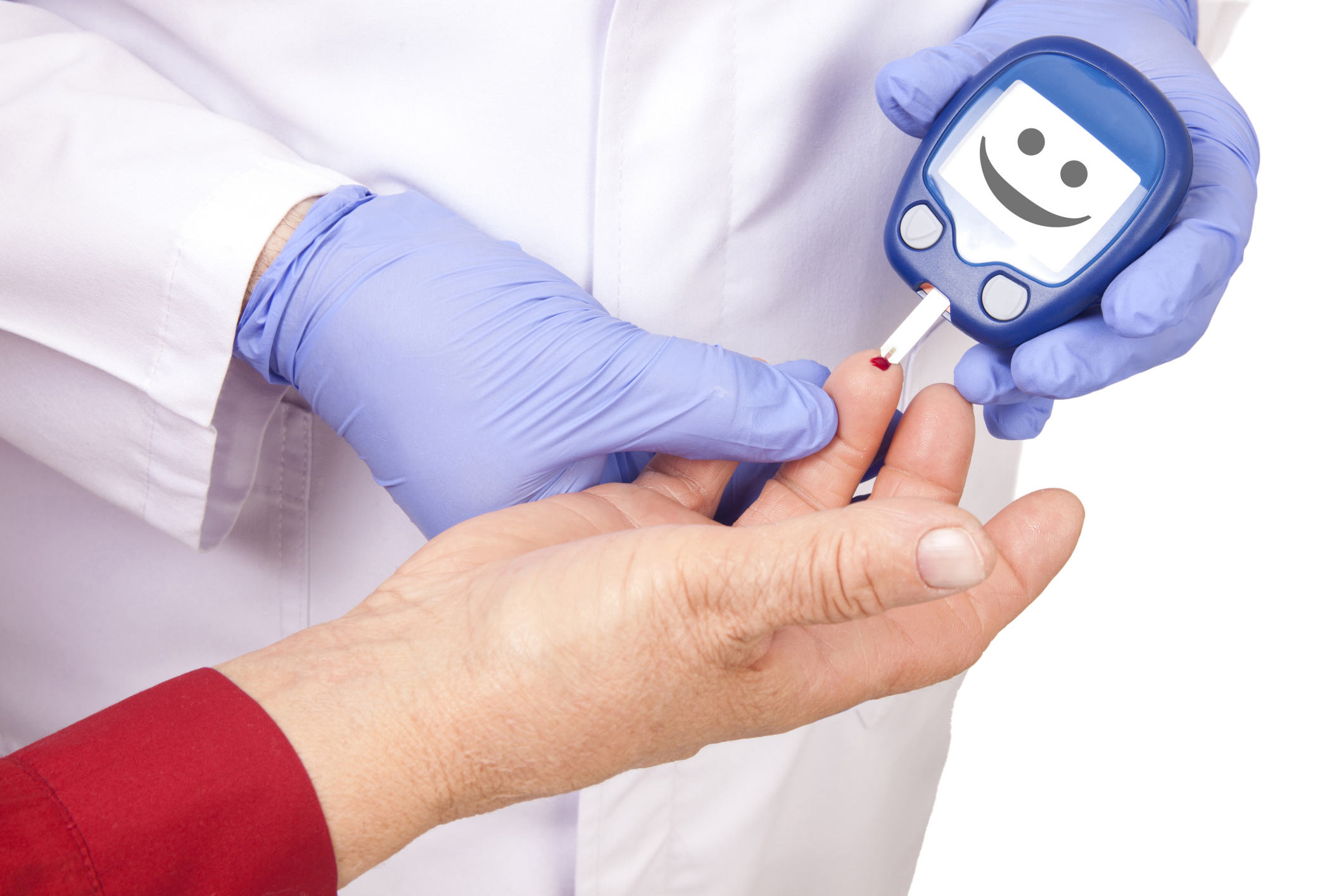
What is diabetes?
Often referred to as diabetes mellitus by doctors, it describes a group of metabolic diseases in which the individual has the presence of high blood glucose or blood sugar due to inadequate production of insulin or when cells in the body fail to respond accordingly to the insulin. Patients diagnosed with diabetes experience symptoms such as frequent urination and increased thirst and hunger.
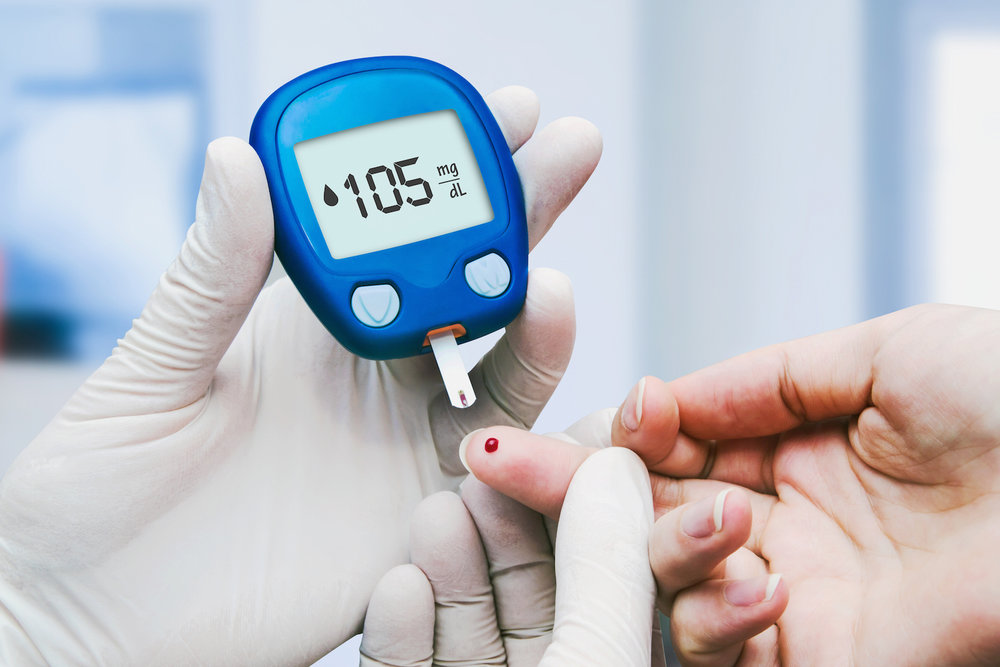
What are the different types of diabetes?
Type 1 diabetes
Type 1 diabetes arises in the body when it fails to produce insulin. People incur such diabetes usually before their 40th year or in the early onset of their adulthood and teenage years. An estimate of 10 percent of all diabetes cases is Type 1. Patients diagnosed with Type 1 diabetes need to take insulin injections for the rest of their lives. They must ensure adequate levels of blood glucose by carrying out regular blood tests while following a special diet.
Type 2 diabetes
Type 2 diabetes is registered when the body fails to produce enough insulin for proper functioning or when the cells in the body fail to react to insulin. Approximately 90 percent of all cases registered under diabetes are Type 2. Type 2 diabetes is a progressive disease, and it gets worse in time making the patient take insulin typically in tablet form. Overweight and obese individuals are more prone to developing such diabetes when compared to healthy body weight individuals. Men whose testosterone levels are low have an increased chance of developing such diabetes.
Gestational diabetes
This particular diabetes affects women during pregnancy. Certain women have high levels of glucose present in their body making them unable to produce a minimum amount of insulin needed to transport glucose into the cells, resulting in progressively elevating levels of glucose. The diagnosis of gestational diabetes is made during pregnancy.
What are the effective treatments for diabetes?
Every type of diabetes is treatable. Diabetes Type 1 lasts for a lifetime, however, and there is no particular cure for it. Type 2 diabetes usually lasts for a lifetime. However, there have been records of certain people overcoming their symptoms without medication instead through a combination of exercises, diet, and body weight control.
Patients diagnosed with Type 1 diabetes are treated with regular insulin injections as well as a combination of special diets and exercise. Patients with Type 2 diabetes are treated through tablets, training, and special food. However, insulin injections are needed at times. If the diabetes problem is not controlled in time and accordingly, the patient has a higher chance of developing complications.
What Are The Common Symptoms Of Diabetes
Frequent urination
When there is an excessive presence of glucose or sugar in the blood, you will tend to urinate more often and spend most of the day going to the bathroom. If your body lacks insulin or is ineffective, the kidneys cannot filter the glucose back into the blood. Instead, the kidneys will take water present in the in the blood to dilute glucose which in turn fills up your bladder.
Disproportionate thirst
Accompanied by the need to urinate more than usual is the need to replace lost liquid from the body or thirst. You will notice that you will be drinking more water than average.
Intense hunger

When the insulin in the blood is not working efficiently or not present at all, the cells are not getting their recommended doses of energy thereby alerting your body to try and find more strength. This need for power can be trailed to food. With this need is an elevated level of hunger.
Weight gain
Weight gain is typically the side effect of excessive hunger, as stated above.
Unusual weight loss
This symptom is common among patients having Diabetes Type 1. When the body fails to produce insulin, it will seek another energy source. For this purpose, muscle tissue and fat are broken down for energy. Type 1 is a more sudden onset while Type 2 is more gradual, making weight loss more noticeable with Type 1.
Increased fatigue
When insulin is not working properly, or there is no presence of insulin at all, glucose fails to enter the cells and provide them with the needed energy. Due to this fact, you will tend to feel tired excessively.
Irritability
Irritability can be sourced from the lack of energy in the individual.
Blurred vision
Blurred vision is caused when the tissue is pulled from the eye lenses. This affects the eye’s ability to focus.
Cuts and bruises don’t heal quickly
When there is no sugar present in the body, the ability to improve can be undermined.
More skin or yeast infections
When there is no insulin produced, the ability to recover from infections is affected.
Itchy skin
A sensation of itchiness on your skin is sometimes considered a symptom of diabetes.
Swollen or red gums
Presence of swollen, red and tender gums is symptoms of diabetes. Your teeth can become loose as well when the gums tend to pull away from the teeth.
Frequent gum disease or infection
Presence of diabetes represents an increased tendency of encountering gum diseases or gum infections frequently.
Sexual dysfunction among men
Males, generally over the age of 50 experience frequent erectile dysfunction. This is a general sign of diabetes.
Numbness or tingling in feet or hands
Excessive amounts of sugar damage nerves, making you experience a tingling or numbness sensation at your hands and feet.
What Are the Best Foods to Control Diabetes?

Here is a list of the best food items for diabetics, both type 1 and type 2.
Fatty Fish
Fatty fish like salmon, sardines, anchovies, mackerel, and herring are excellent sources of omega-3 fats. Omega-3 fats are proven to reduce inflammation and risks of heart disease and stroke. Getting the required amount of these fats on a regular basis is vital for people with diabetes who have an elevated risk of heart disease and stroke.
Leafy Greens
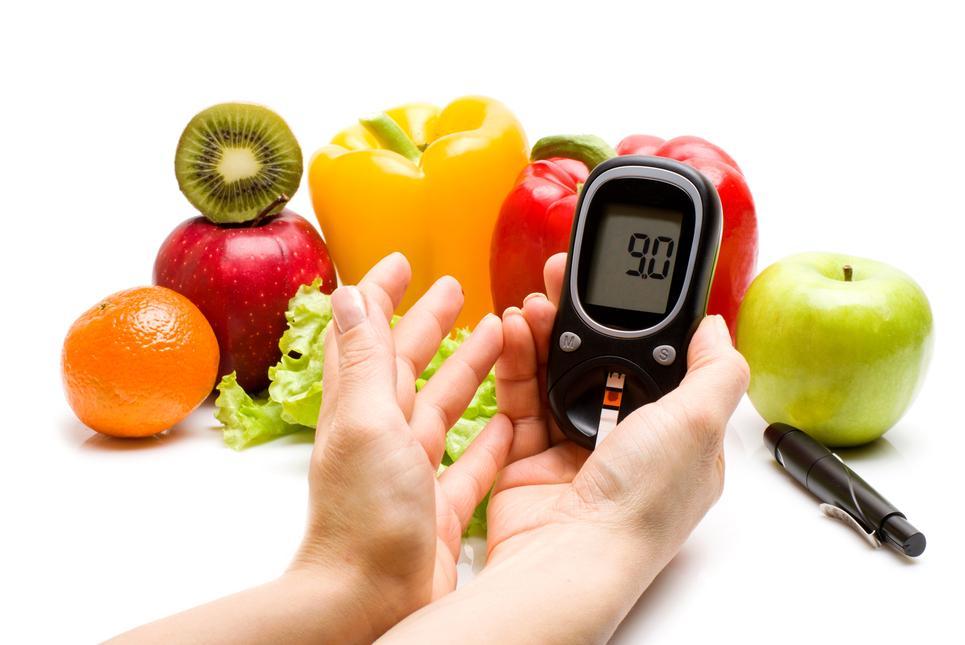
Leafy green vegetables are very nutritious, low in calories and low in digestible carbs which elevate blood sugar levels. Spinach, kale along with other green vegetables are rich in minerals, and vitamin C. Increased intake of vitamin C reduced inflammatory markers and fasting blood sugar levels for people diagnosed with type 2 diabetes. They are rich in antioxidants which protect eye and heart health.
Cinnamon
Cinnamon is proven to improved blood sugar control, insulin sensitivity, cholesterol and triglyceride levels present in type 2 diabetics.
Eggs
Eggs have amazing benefits. Regular consumption decrease inflammation, improve insulin sensitivity while increasing good HDL cholesterol levels. Eggs aid eye health and reduce the risk of heart disease.
Chia Seeds
Chia seeds are an excellent source of food for those with diabetes. It contains high percentages of fiber, low in digestible carbs and decreases blood pressure and inflammation.
Turmeric
Turmeric contains a powerful active ingredient called curcumin which is proven to reduce blood sugar levels and inflammation while protecting heart and kidney disease.
Greek Yogurt
Greek yogurt is an excellent choice of dairy, especially for people with diabetes. Greek yogurt is known to promote healthy blood sugar levels while reducing the risk factors for heart diseases. It helps with weight management too.
Nuts
Nuts are highly nutritious and healthy addition to a diabetic diet. Nuts are low in digestible carbs and help reduce blood sugar, insulin levels, and LDL levels.
Broccoli
Studies have shown that broccoli intake by people with diabetes helps lower insulin levels while protecting cells from harmful radicals produced during metabolism. It is rich in antioxidants which help prevent eye diseases as well.
Extra virgin olive oil
Extra virgin olive oil is beneficial for heart health as it contains a type of monosaturated fat called oleic acid which can improve triglycerides and HDL that are often at unhealthy levels in type 2 diabetics. It helps reduce the risk of heart disease. This oil retains antioxidant properties making it very healthy.
Flaxseeds
Flaxseeds help reduce inflammation, lower heart disease risk, decrease blood sugar levels and elevate insulin sensitivity.
Apple cider vinegar
Apple cider vinegar improves insulin sensitivity while lowering fasting blood sugar levels. It helps reduce blood sugar response by nearly 20 percent when consumed with meals containing carbs.
Strawberries
Strawberries contain antioxidants called anthocyanins which are proven to reduce cholesterol and insulin levels. They help improve blood sugar and reduce the risk of heart disease factors in type 2 diabetes.
Garlic
Garlic is a delicious herb which helps reduce inflammation, blood sugar and LDL cholesterol in those people with type 2 diabetes.